About this Podcast
Discover the true origins of the Eternal City through clear storytelling and vivid scenes. This collection explores the rise of Rome from small hilltop villages to a thriving republic and eventually a global empire. Perfect for travelers, students, and anyone curious about how Rome became the city we know today.
Episodes explore:
- Early settlements and the swampy valley
- Founding myths and what they hide
- The Etruscan kings
- The birth of the Roman Forum
- Key moments that shaped Roman identity
Episodes
Echoes of the Swamp: The Rome Before the Marble
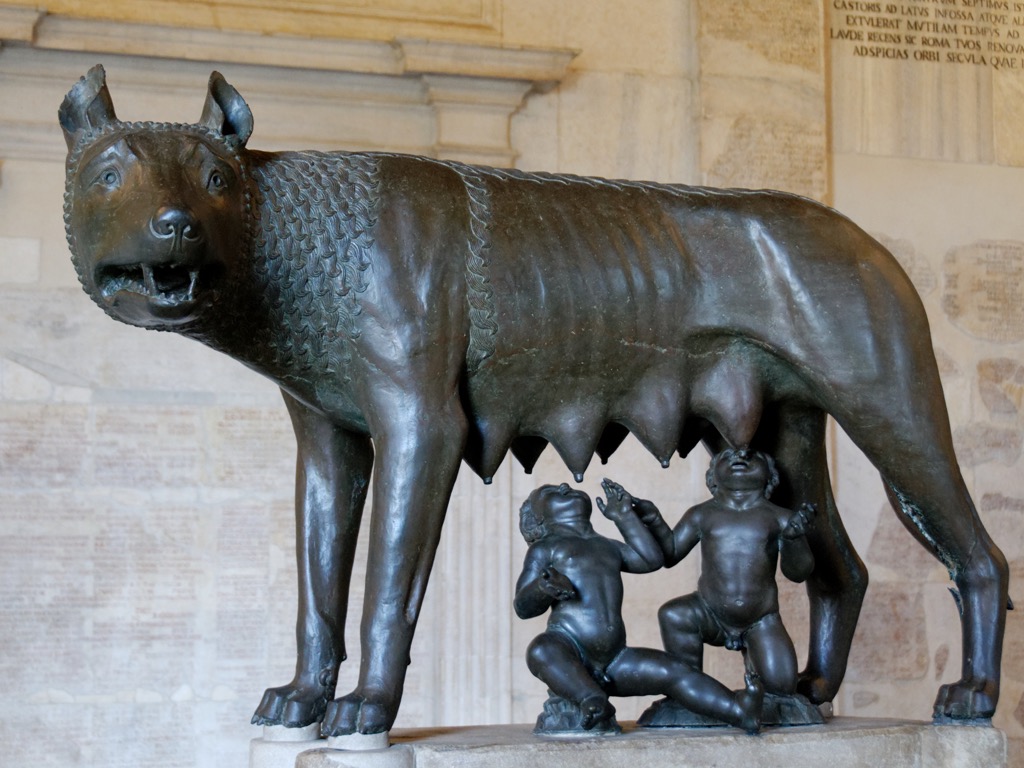
Welcome to the premiere of Rome Unveiled! In future episodes, we will tackle Roman cuisine and Baroque architecture, but today, we start where it all began: the mud. Before the marble, there was a swamp. What if the heart of ancient Rome was once a forgotten marshland? Join Sarah and local guide Giovanni as they step back 2,800 years, leaving the iconic Roman Forum behind to uncover the Rome that existed before emperors, before the Republic, and even before the stones were laid. Imagine the air thick with damp earth and woodsmoke, the bleating of sheep, and the rhythmic thud of wooden hammers. This is the Rome of struggling villages on defensible hilltops, using a marshy valley as their cemetery and a strategic river crossing as their gateway to opportunity. In this episode, we uncover: * The Swampy Origins: The surprising reasons why early settlers chose an "awful place" for their homes. * Life & Death: The "hut urns" and the intimate glimpse they offer into the lives of Rome's earliest inhabitants. * Myth vs. Memory: How the legend of Romulus and Remus and the Rape of the Sabine Women are encoded memories of true origins. * The First Transformation: How a simple salt road turned a graveyard into the Roman Forum. * The Etruscan Connection: The profound influence that shaped Rome's politics, architecture, and gods. Prepare to see the Eternal City through entirely new eyes. Rome wasn't built by conquest alone, but by a project of collective will.
Shadows of the Crown: The Seven Kings and the Birth of the Republic
Imagine standing on the Capitoline Hill at sunset while Sarah and Giovanni tell you the wild, bloody, and sometimes unbelievable story of Rome’s seven kings… and the one night the city finally said “enough.” 244 years. Seven very different men on the throne. One crime so outrageous it ended the monarchy forever. In this episode we follow Rome’s journey from a cluster of sheep tracks and mud huts to a real city with sewers, racetracks, massive walls, and a temple so huge it dominated the skyline for a thousand years. Along the way you’ll meet: * Romulus the warrior-founder and Numa, the peace-loving king who talked to a water nymph * The ambitious Etruscan millionaire and his eagle-reading wife who basically staged a coup * The Cloaca Maxima, Circus Maximus, and the Temple of Jupiter – the megaprojects you can still see today * The slave boy whose head caught fire (harmlessly) and who grew up to invent Roman citizenship and social classes * The daughter who drove her chariot over her own father’s body * Lucretia’s tragic suicide, Brutus raising the bloody dagger, and the furious crowd that locked the last king out forever It’s part myth, part soap opera, and built on solid history. By the end you’ll understand why Romans hated the word “king” so much that it eventually cost Julius Caesar his life. When the app launches, this episode comes with its own walking route: Capitoline Hill, the best-preserved pieces of the ancient Servian Wall, and the narrow street still called “Street of Crime” because of what happened there 2,500 years ago. Next time we dive into the chaotic early Republic – when Rome almost didn’t survive, but somehow turned farmers into the most feared army the world had ever seen. See you on the hill.
Myth, Tyranny, and the Birth of the Roman Republic
Stand on the Capitoline Hill with Sarah and Giovanni as they shatter the "perfect vase" of Roman legend and reveal the broken shards of archaeological truth behind the fall of the kings. One crime. One suicide. One bloody dagger raised in the Forum. And suddenly, no more kings—forever. In this episode, we dive deep into the dramatic story that every Roman knew by heart: the arrogance of Tarquinius Superbus, the rape of Lucretia, Brutus's oath of liberty, and the furious uprising that birthed the Republic in "509 BC." But was it really one explosive night of revolution... or a slow, messy evolution over decades? You'll discover: * The timeless tyrant playbook: forced labor, murdered rivals, and massive temples built on resentment * How the Romans ingeniously dismantled kingly power—splitting it between two Consuls, adding vetoes, term limits, and even creating a powerless "King of Sacred Rites" * Why archaeology shows no dramatic destruction layer, but gradual change * The power of myth: how a tragic tale of virtue and vengeance became the founding story that inspired Romans for centuries—and even the American Founding Fathers * Lucretia's sacrifice, Brutus's brutal idealism, and why hating "king" became the ultimate Roman value It's history, propaganda, moral lesson, and blockbuster drama—all in one unforgettable story.
The Machine: How Rome Engineered a Republic That Shouldn’t Have Worked
The king is gone. The throne is empty. The people are free. So why is Rome on the brink of collapse? Standing near the infamous Tarpeian Rock, Sarah and Giovanni pull back the curtain on the Republic’s most dangerous decade, not with grand battles, but with balance sheets, bronze scales, and a single, shattered tunic. This is the story they skip in the movies. The chaos \after\ the revolution. A city starving, encircled by enemies, and tearing itself apart from within. To survive, Rome didn’t just invent democracy… it built a machine, a clanking, jury-rigged contraption of: * Two rival Consuls, a king cut in half and given an expiration date * Armies that voted before they marched, where the rich cast ballots while the poor stood in the sun * The Nexum, a legal trap that turned citizens into slaves over unpaid debts * A starving veteran’s protest, whose torn tunic revealed scars of glory on his chest… and scars of the whip on his back * The world’s first labor strike, when the entire army walked out and sat on a hill * The first “human shield” of democracy, the sacrosanct Tribune of the Plebs, whose body was a walking veto * Ritual loopholes, like declaring a patch of Roman soil “Macedonia” so a priest could legally throw a spear and start a world war It was messy. It was violent. It was brilliant.
The Day Rome Died: Geese, Gold and the Gods' Silence
The gates stand open. The army has fled. The elders sit motionless in sacred chairs. And Rome learns what happens when the gods stop listening. Standing beside the enigmatic Lapis Niger, Sarah and Giovanni explore the trauma that forged Roman identity—the day a divine warning was ignored, the Capitol was nearly lost, and survival came not from legions but from sacred geese. This is the birth of Roman paranoia—and resilience: * A divine warning dismissed when aristocrats ignored a god's message because it came through a commoner * The Devotio ritual, where elder statesmen weaponized their deaths as a sacred curse * Vae victis, the cry that accompanied swords tossed on ransom scales * Sacred geese over sacred duty, Rome's unlikely saviors on that desperate night * Walls built from shame, the massive fortifications that ringed not just a city, but a memory It was humiliation. It was rebirth. It was the day Rome learned to fear silence.